Showing posts with label dystopian. Show all posts

Friday, April 17, 2026

Adverse Reactions - Dystopian Paranormal Suspense - and a Giveaway #Dystopian #Paranormal #Suspense #Giveaway

Deborah J. Lightfoot is here to tell us about Adverse Reactions, dystopian paranormal suspense.

There's also a great giveaway.

_____________________________


When your mind makes you the enemy, either your mind must die, or you will. 

Unless yours is the mind they can’t break.


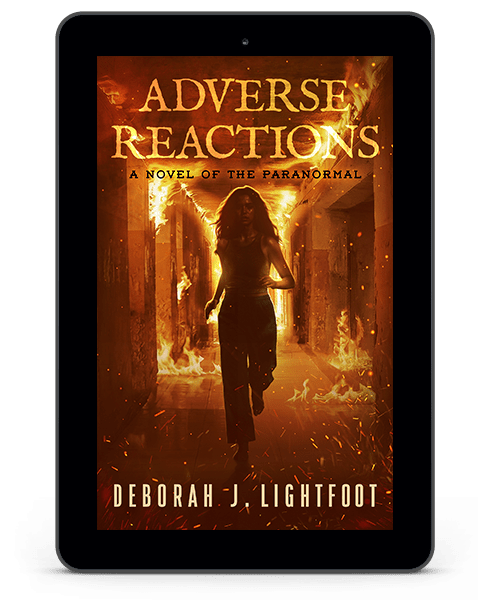
Adverse Reactions

by Deborah J. Lightfoot

Genre: Dystopian Paranormal Suspense


Purity demands a bullet. Devin brings a reckoning.

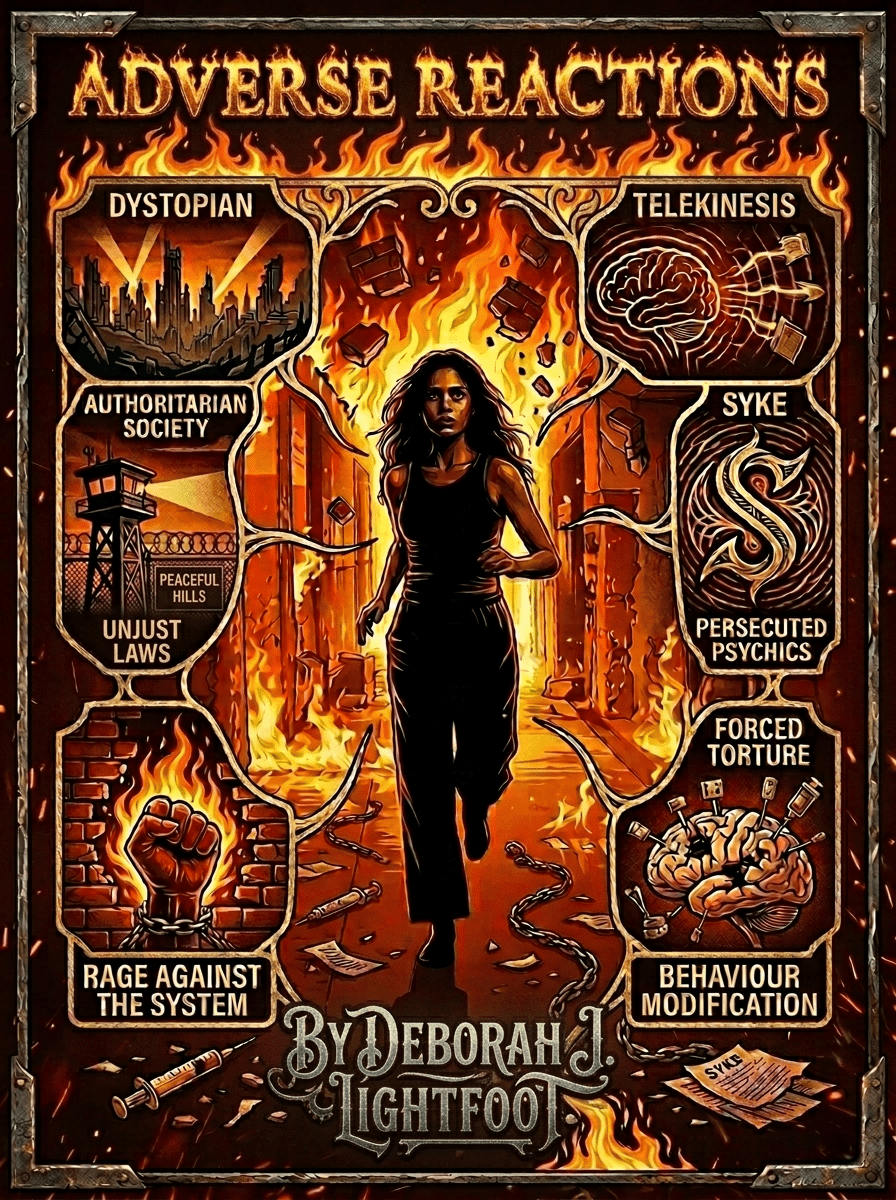
Since she was six years old, Devin Perridin has been locked behind the walls of the family home to keep her hidden from those who would kill her. But at sixteen, she is exposed as a "Syke," one of an outlawed minority who possess extraordinary powers of mind over matter. Snatched from hiding, she escapes the firing squad, but only to be imprisoned in a house of horrors: the Peaceful Hills Sanatorium and Rehabilitation Center for the Treatment of Persistent Mental Disorders. After an unknown time of torture and "behavior modification," brutally designed to destroy her psychokinetic reflexes, she emerges from the asylum severely damaged in mind and spirit. Her salvation may lie in the series of crimes triggered by her release: first kidnapping, then attempted murder, and then a mustering of forbidden forces to assault the remote pseudo-psychiatric facility where she had been tortured into near-mindlessness.

Drawing upon a strength she had always known was hers but had never before been able to consciously control, Devin defies the authoritarian society with its unjust laws that demand her death. She pushes through pain, isolation, and moral quandaries to seek justice for not only herself, but all members of a maligned and cruelly persecuted minority. A post-apocalyptic, paranormal allegory for the times in which we live.

When your mind makes you the enemy, either your mind must die, or you will. Unless yours is the mind they can't break.


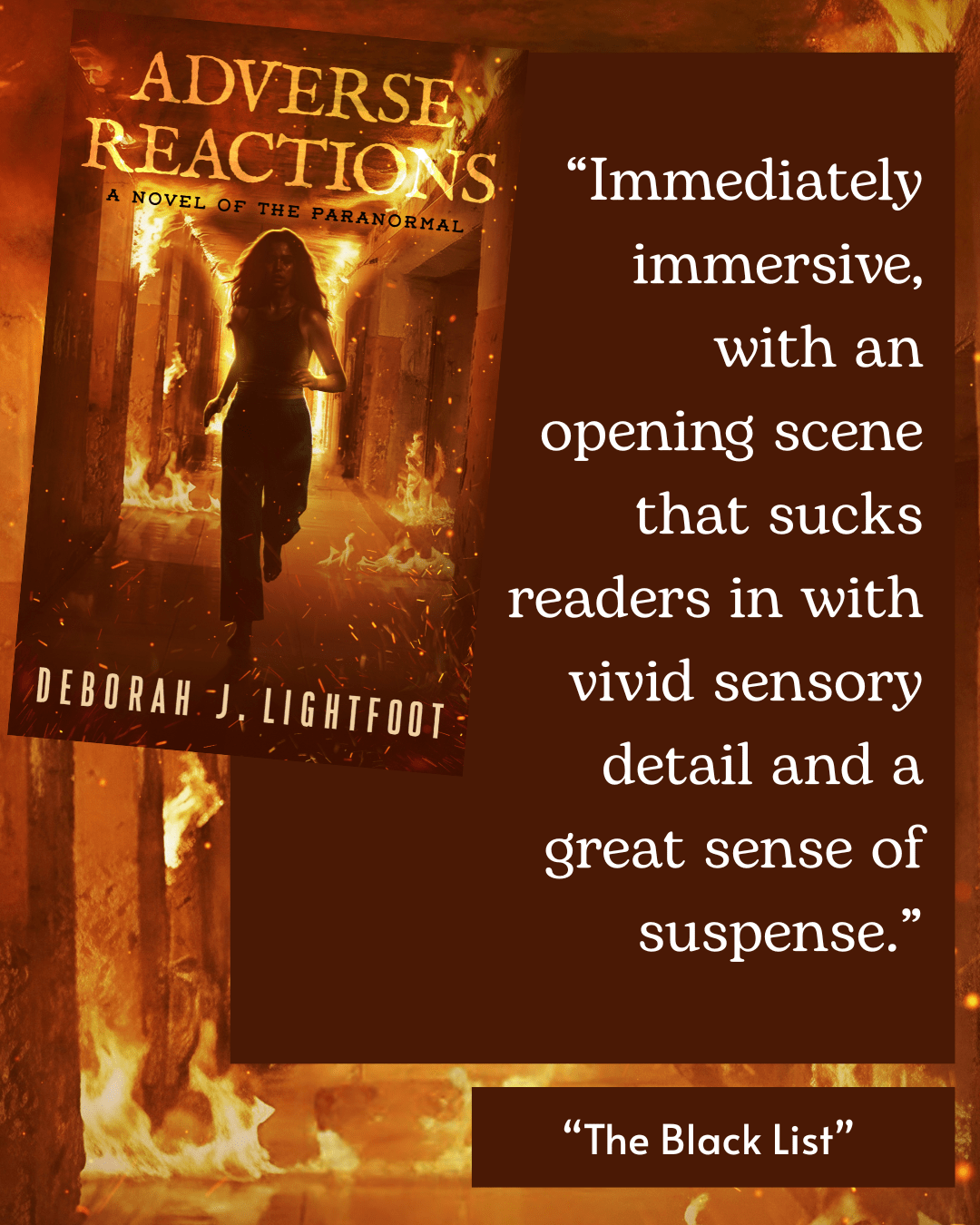
“This novel is immediately immersive, with an opening scene that sucks readers in with vivid sensory detail and a great sense of suspense.” —The Black List

“What a story! I was picked up from the first page and you never let me go thereafter. The premise is original … compelling … convincing.” —ARC Reader

“A very enjoyable read. Excellent pacing. Immersive language. Polished, effortless writing. I’d love to see a prequel (or three)!” —ARC Reader

“Relevant to the current situation in the world. Ostracizing others who are different out of fear and ignorance. Cruelty and inhumanity.” —ARC Reader

“Believable and relatable.” —The Black List

“Thematically rich, as Devin faces constant self-doubt but eventually comes to find empowerment in the unique abilities that have made her an outcast.” —The Black List


**Get it #OnSale for only $1.99 4/21 – 4/24!**

Amazon * Apple * B&N * Kobo * Bookshop.org * Smashwords * Bookbub * Goodreads


Chapter 1


VAPORS BILLOWED INTO the chamber in thick masses of orange. Devin choked on the sickly sweet odor.

“Don’t fight it, child,” came the voice—equally cloying—from the darkness beyond the floodlit, glass-walled chamber. “Give yourself up to it.”

The gas surged into Devin’s face, blinding, gagging her. She made it go away. By force of will, a moment’s mental reflex, she flung it back.

Fresh air flooded her nostrils and drove out the syrupy stink. She sucked in a cool, clean breath.

“No!” snapped the voice, crackling with amplified static. “You must not.”

The therapist dropped her with two thousand volts. Devin collapsed to the chamber’s floor, her body jerking, her nerves on fire. The pain was beyond enduring. A pain this intense must be lethal. But she did not die. As she convulsed, her muscles knotted in spasms, she could not scream. No part of her, not even her voice, was under her voluntary control.

“Try it again, child.” Smooth and saccharine once more, her unseen therapist spoke from the concealing shadows as the shock ended and Devin’s pain faded. “Stand up,” the torturer ordered. “And this time, do not fight it. Or your punishment will be the same: swift, sure, and severe.”

Devin struggled upright. She had to brace against the curved glass wall of the gas chamber to keep on her feet. Her muscles had melted from knots into jelly.

An orange cloud flooded the chamber and filled her nose with the stink of rotting fruit.

“Breathe it,” her therapist instructed. “You must.”

But again, Devin reacted by instinct alone. No conscious thought interposed between stimulus and response. The cloud approached; she pushed it away. Pure reflex, action of mind: act of self-preservation. The gas held back, suspended in midair, blocked by the power of her impulse.

On the instant, thousands of volts knocked her to the floor. Pain engulfed Devin, such a pain as must be lethal but wouldn’t do her the service of killing her. She writhed, silent and barely conscious.

Her therapist withdrew the punishment. Devin remained on the floor of the isolation chamber, curled in the fetal position, her long brown hair covering her face. Her body was hers to command once more, but her muscles had no strength to obey.

“You give new meaning to the word persistent, don’t you, girl?” muttered the disembodied voice. Then, more forcefully: “The first step toward healing is to admit you are diseased, Miss Perridin. You have an illness. A mental disorder. I am offering you the cure—in a pleasant aerosol spray that you need only breathe. Once inhaled, the drug acts quickly, and its effects are lasting. But you must take the first step and acknowledge that you want to be cured.”

The voice grew soft, sugary. “Child, for as long as you hold to the notion—the mistaken notion—that your disorder is in some way a strength or a benefit to you, you will continue to fail. And you will suffer the consequences of that failure. We can’t have that, can we?”

Devin gathered the remnants of her strength and rolled onto her back. To stand was impossible; she could barely shape a word.

“No,” she whispered.

She wasn’t speaking to her tormentor.

But: “That’s the spirit!” the therapist responded, sounding genuinely enthused. “Now we try again. Take your medicine like a good girl.”

The orange stink flowed in at the top of the chamber. Devin, lying face up, watched through the curtain of her hair as the cloud descended. She had time to ward it off, to make it go away. But in the soul of her being, nothing sparked. Her reflexes, her instincts, failed to respond. What had been a spontaneous force of mind over matter could offer no resistance.

Devin’s mouth filled with the sickening taste of defeat. The orange cloud enveloped her, a sticky weight, and she choked down lungfuls.

“Wonderful!” her therapist exclaimed. “My dear, I couldn’t be more pleased. This is the tipping point. Your recovery will be much easier from now on, I promise.”

Devin breathed the sickly sweet drug and felt the core of her mind go dead.

Then came the retching. Her body contorted in gut-shredding paroxysms as the drug made her vomit—or attempt to vomit. Her keepers had starved her for so long, her stomach had nothing to bring up. The dry heaves racked her with such violence that she could not breathe. After long moments, unconsciousness brought relief.


Castles in the cornfield provided the setting for Deborah J. Lightfoot’s earliest flights of fancy. On her father’s farm in Texas, she grew up reading tales of adventure and reenacting them behind ramparts of sun-drenched grain. She left the farm to earn a degree in journalism and write award-winning books of history and biography. High on her bucket list was the desire to try her hand at the genre she most admired. The result is Waterspell, a multi-layered fantasy series about a girl and the wizard who suspects her of being so dangerous to his world, he believes he’ll have to kill her … which troubles him, since he’s fallen in love with her.


Website * Facebook * Instagram * Bookbub * Amazon * Goodreads


Thanks so much for reading today's post. Hope you enjoyed it!

Follow me on Bookbub: https://www.bookbub.com/authors/tina-donahue

Please feel free to share the post via FB, Bluesky, Linked In, and more...share buttons at the bottom of this post :)

Subscribe

Thursday, April 16, 2026

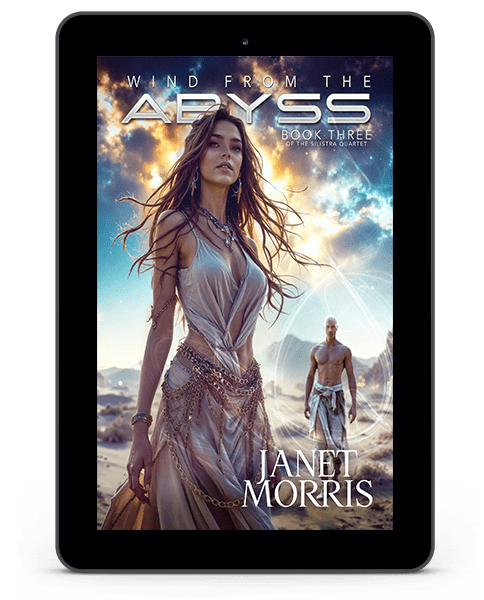
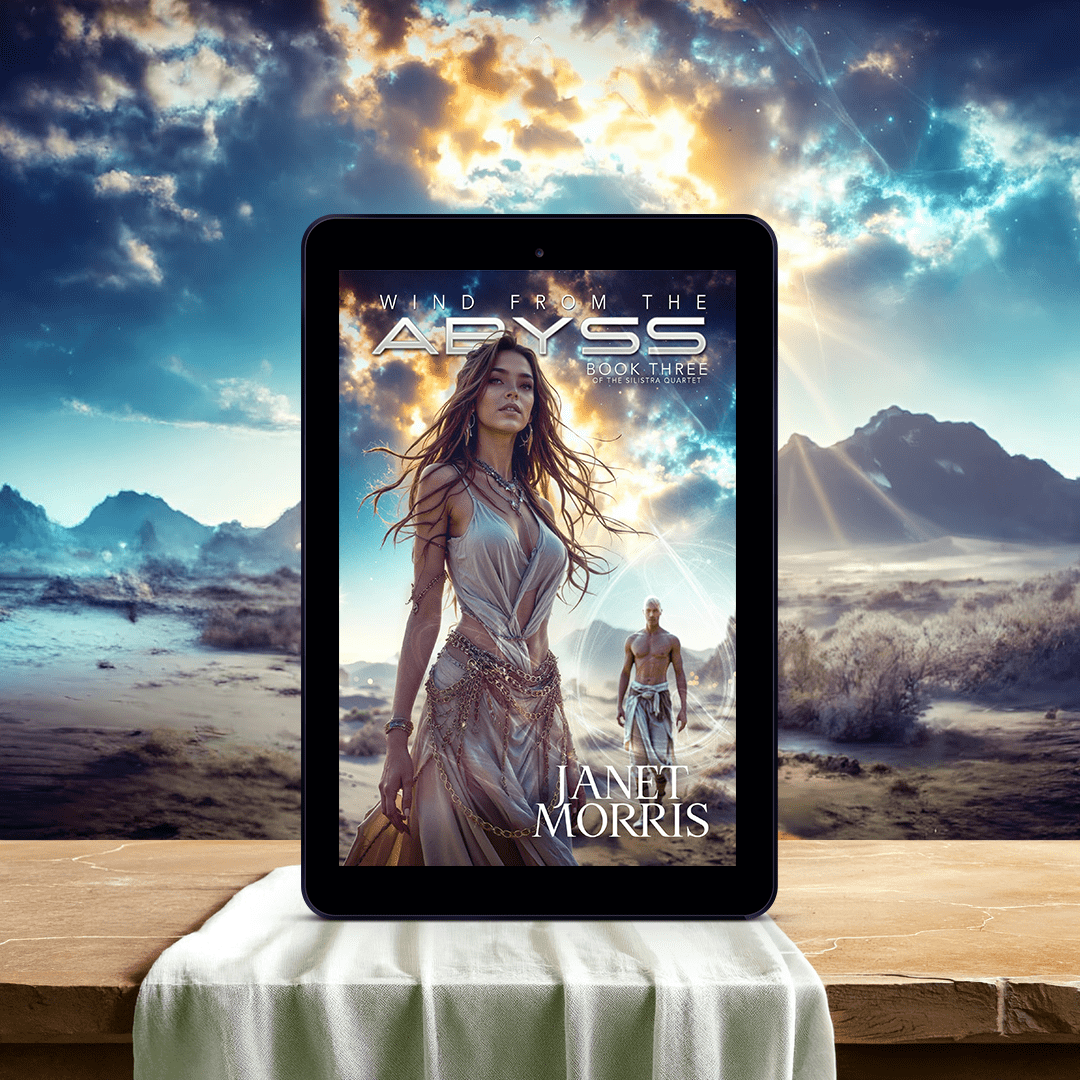
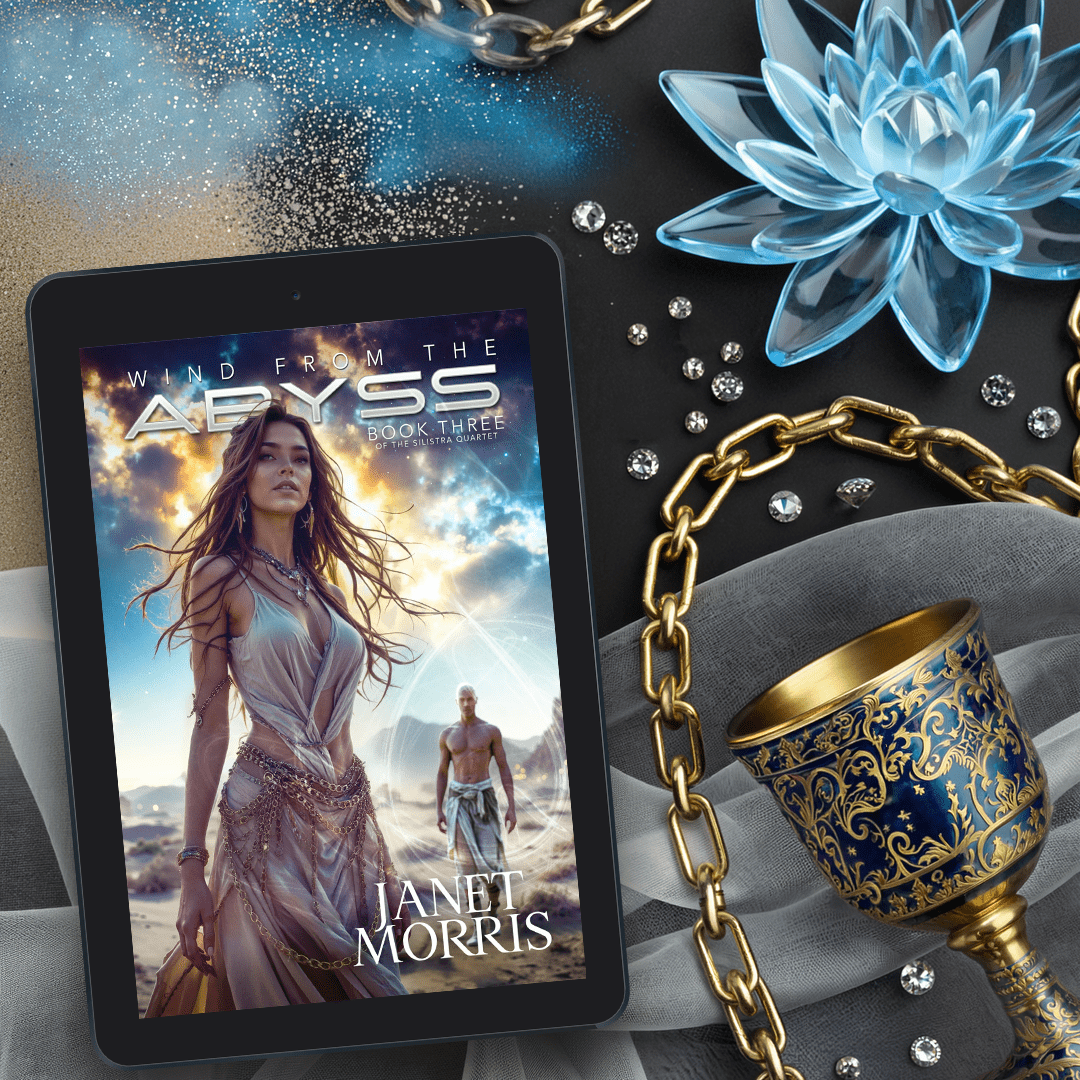
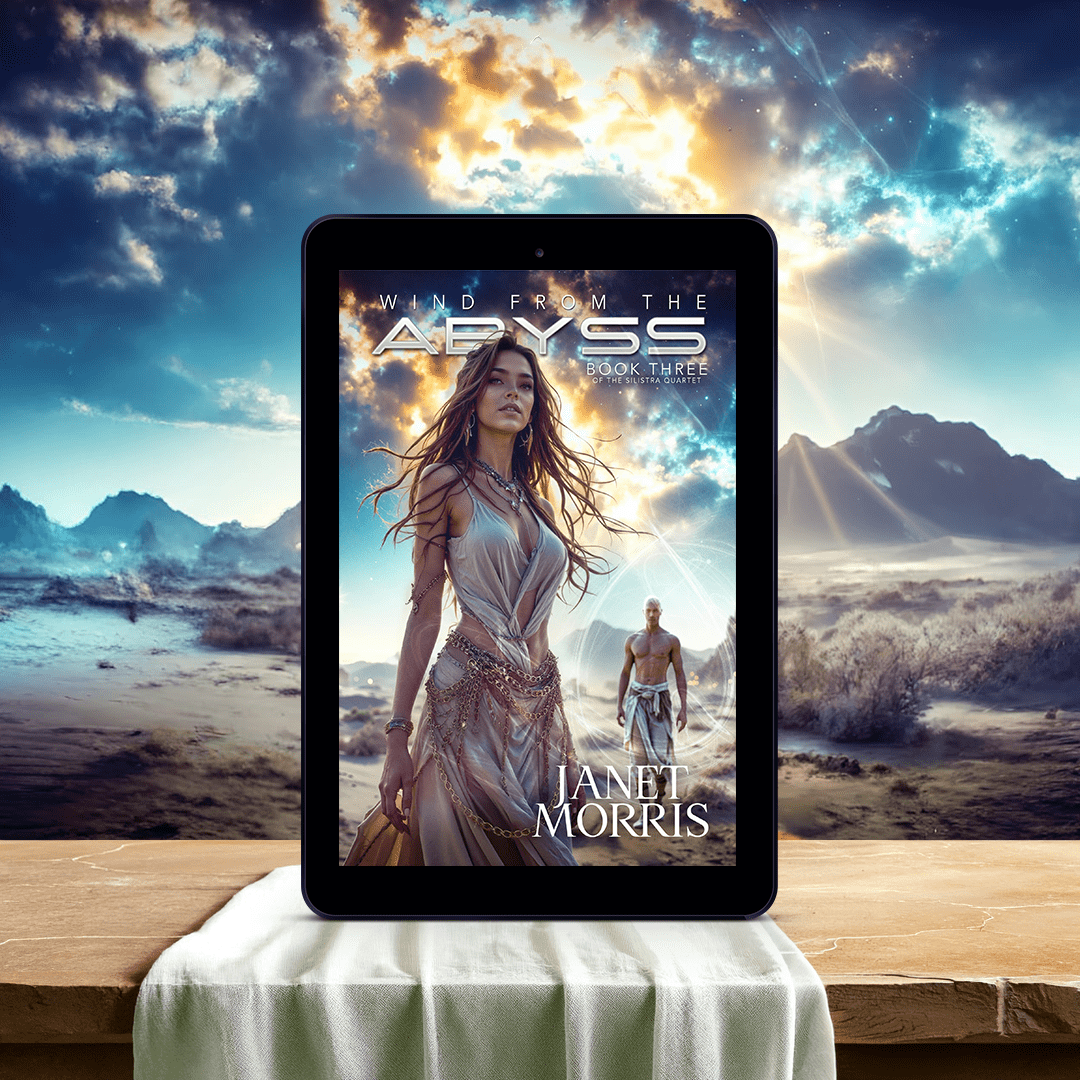
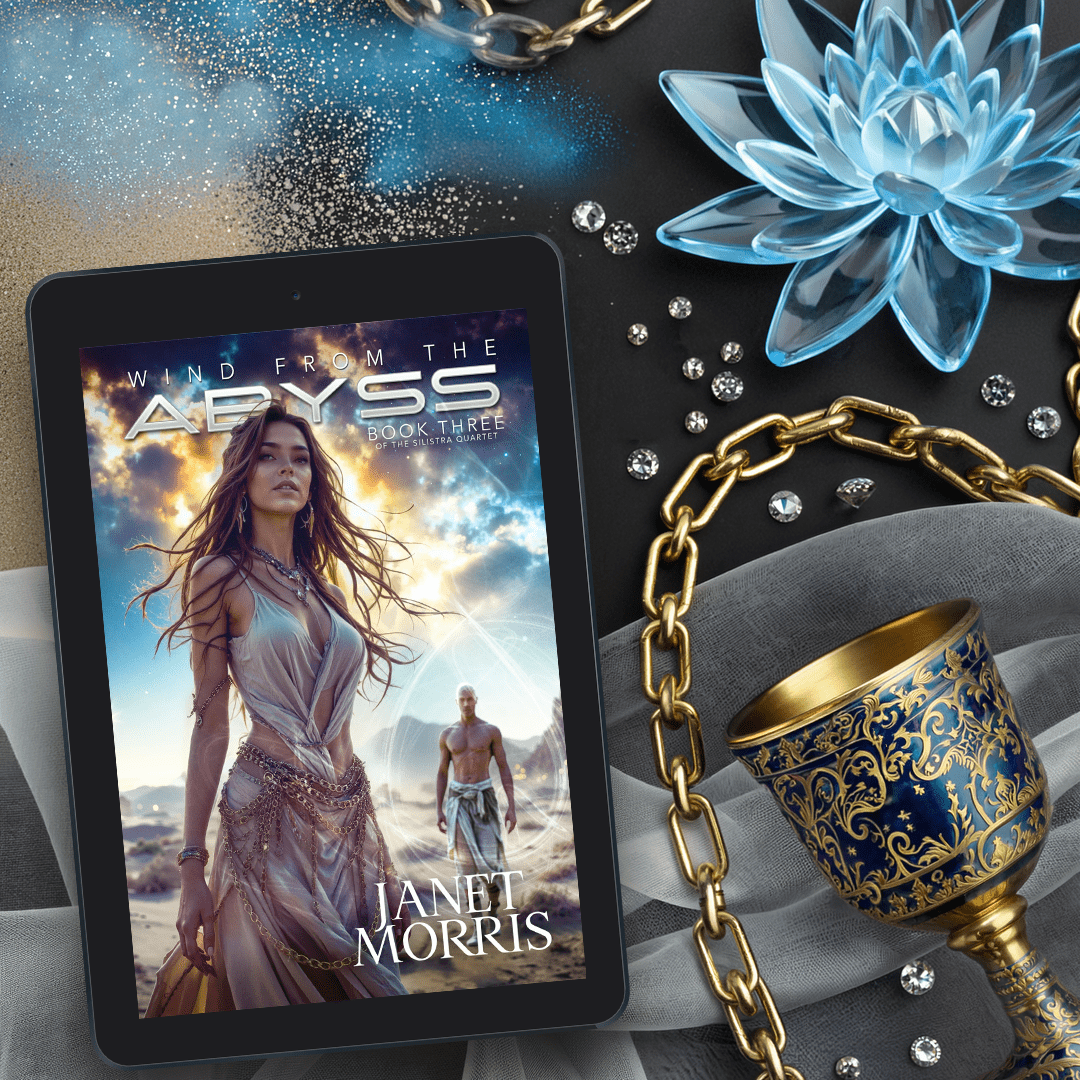
Wind From the Abyss - The Silistra Quartet Book 3 - Dystopian - Epic SciFi - Fantasy Romance - and a Giveaway #Romance #Fantasy #EpicSciFi #Dystopian #Giveaway

Janet Morris is here to tell us about Wind From the Abyss, book 3 The Silistra Quartet, a dystopian, epic scifi, fantasy romance.

There's also a great giveaway.

________________________


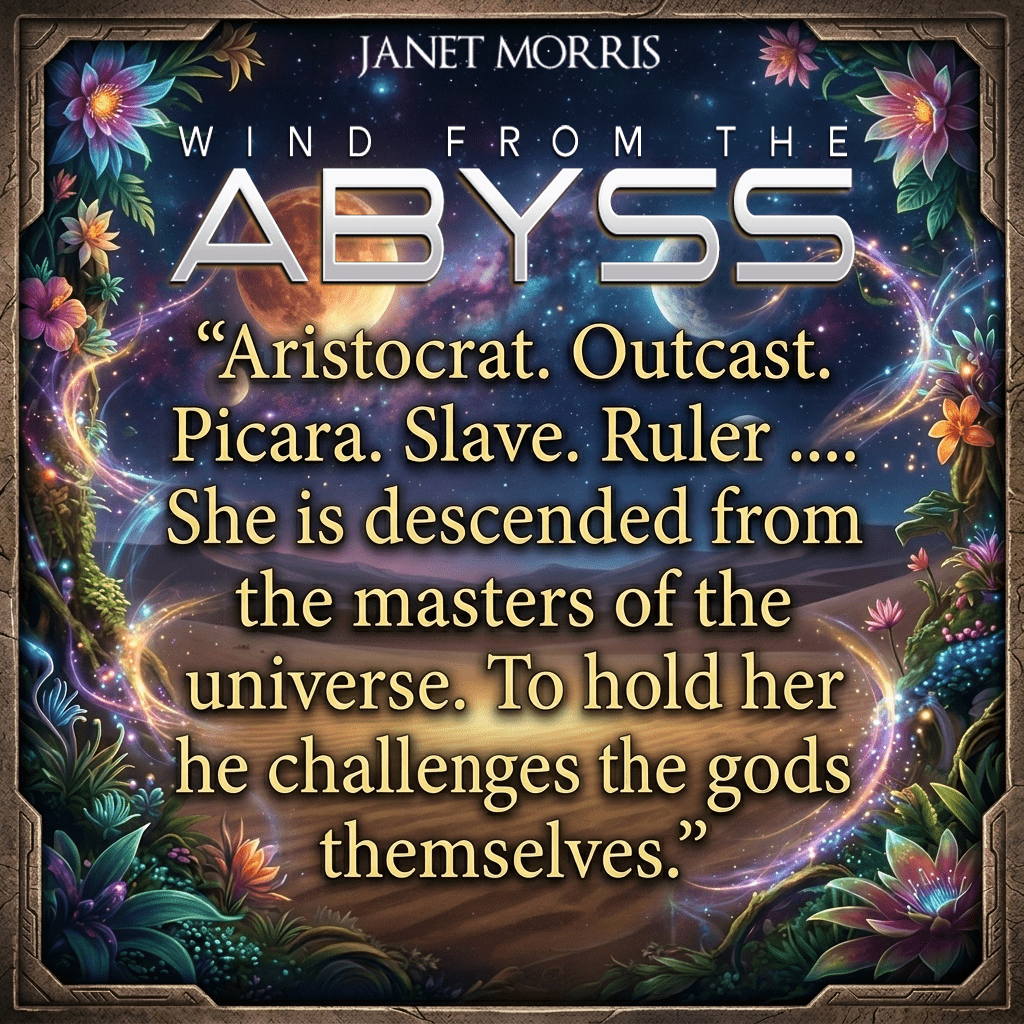
Aristocrat. Outcast. Picara. Slave. Ruler ....

She is descended from the masters of the universe.

To hold her he challenges the gods themselves. 


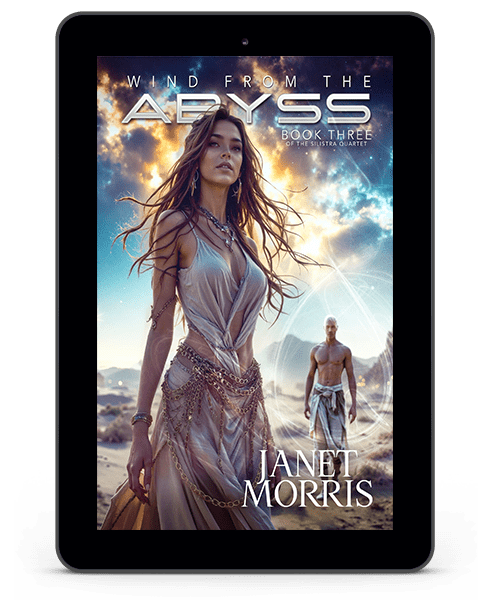
Wind From the Abyss

The Silistra Quartet Book 3

by Janet Morris

Genre: Dystopian Epic SciFi Fantasy Romance


Dystopia. Fantasy. Science fiction. Allegory. Political.


Wind from the Abyss is the third volume in Janet Morris' classic Silistra Quartet, continuing one woman's quest for self-realization in a distant tomorrow.

Aristocrat. Outcast. Picara. Slave. Ruler .... She is descended from the masters of the universe. To hold her he challenges the gods themselves.


Praise for Janet Morris' Silistra Quartet:

"The amazing and erotic adventures of the most beautiful courtesan in tomorrow's universe." -- Fred Pohl

"Engrossing characters in a marvelous adventure." -- Charles N. Brown, Locus Magazine.

"The best single example of prostitution used in fantasy is Janet Morris' Silistra series." -- Anne K. Kahler, The Picara: From Hera to Fantasy Heroine.


This Perseid Press Author's Cut Edition is revised and expanded by the author and presented in a format designed to enhance your reading experience with larger, easy-to-read print, more generous margins, and covers designed for these premium editions.


Wind from the Abyss starts with this . . .


"Since, at the beginning of this tale, I did not recollect myself nor retain even the slightest glimmer of such understanding as would have led me to an awareness of the significance of the various occurrences that transpired at the Lake of Horns, I am adding this preface, though it was no part of my initial conception, that the meaningfulness of the events described by "Khys' Estri" (as I have come to think of the shadow-self I was while the dharen held my skills and memory in abeyance) not be withheld from you as they were from me. I knew myself not: I was Estri because the girl Carth supposedly found wandering in the forest stripped of comprehension and identity chose that name. There, perhaps, lies the greatest irony of all, that I named myself anew after Estri Hadrath diet Estrazi, who in reality I had once been. And perhaps it is not irony at all, but an expression of Khys' humor, an implicit dissertation by him who structured my experiences, my very thoughts, for nearly two years, until his audacity drove him to bring together once more Sereth crill Tyris, past-Slayer, then the outlawed Ebvrasea, then arrar to the dharen himself; Chayin rendi Inekte, cahndor of Nemar, co-cahndor of the Taken Lands, chosen son of Tar-Kesa, and at that time Khys' puppet-vassal; and myself, former Well-Keepress, tiask of Nemar, and lastly becoming the chaldless outlaw who had come to judgment and endured ongoing retribution at the dharen's hands. To test his hesting, his power over owkahen, the time-coming-to-be, did Khys put us together, all three, in his Day-Keeper's city -- and from that moment onward, the Weathers of Life became fixed: siphoned into a singular future; sealed tight as a dead god in his mausoleum, whose every move brought him closer to the sum total, obliteration. So did the dharen Khys bespeak it, himself. . ."


“Morris, so good at giving us characters we can identify with, characters we can love and hate, strikes at the very heart of the human condition and the duality of humanity — both good and evil. Her prose is lean and spot-on, every word carefully chosen to enhance the milieu of her imaginary world and advance the plot, giving us access to the thoughts, emotions and machinations of the people whose stories she is presenting to us. Once again, she gives us a “thinking man’s” science fiction/fantasy that explores the nature of power and sexuality, and how they can be used, misused and abused. This is a brilliant, mature and very adult novel that will not only leave you thinking about your own place in the universe, but questioning the very nature of existence.” – Goodreads reviewer


Amazon * Bookbub * Goodreads


I.In Mourning for the Unrecollected


The hulion hovered, wings aflap, at the win­dow, butting its black wedge of a head against the pane. Its yellow eyes glowed cruelly, slit-pupiled. Its white fangs, gleam­ing, were each as long as my forearm.
I screamed.
Its tufted ears, flat against its head, twitched. Again and again, toothed mouth open wide, it battered at the window, roaring.
Once more I screamed and ran stumbling to the far wall of my prison. I pounded upon the locked doors with my fists, pressing myself against the wood. Sobbing, I turned to face it.
The beast’s ears flickered at the sound. Those jaws, which could have snapped me in half, closed. It cocked its head.
I trembled, caught in its gaze. I could retreat no farther. I sank to my knees, moaning, against the door frame.
The beast gave one final snort. Those wings, with a spread thrice the length of a tall man, flapped decisively, and it was gone.
When the hulion was no more than a speck in the greening sky, I rose clumsily, shaking, to collect the papers I had strewn across the mat in my terror. They were the arrar Carth’s papers, those he had forgotten in his haste to answer his returning master’s summons.
I knelt upon my hands and knees on the silvery pile, that I might gather the pages and replace them in the tas-sueded folder before Carth returned.
Foolish, I thought to myself, that I had so feared the hulion. It could not have gotten in. I could not get out: It could not get in. Once I had thrown a chair at that impervious clarity. The chair had splintered. With one stout thala leg, as thick as my arm, had I battered upon that window. All I had accomplished was the transformation of chair into kindling. The hulion, I chided myself, could have fared no better.
Hulions, upon occasion, have been known to eat man-flesh. Hulions, furred and winged, fanged and clawed, are the servants of the dharen who rules Silistra. I had had no need to fear. Yet, I thought as I gathered the arrar Carth’s scattered papers, hulions are fearsome. Perhaps if I had been able, as others are, to hear its mind’s intent, I would have felt differently. My fingers, numb and trembling, fumbled for the delicate sheets.
One in particular caught my eye. It was in Carth’s precise hand and headed: “Preassessment Monitoring of the Arrar Sereth. Enar Fourth Second, 25,697.”
I had met, once, the arrar Sereth. Upon my birthday, Macara fourth seventh, in the year ’696 had I met him, that night my child had been conceived. I had read of his exploits. He frightened me, killer of killers, enforcer for the dharen, he who wore the arrar: chald of the messenger. Sereth, scarred and lean and taut like some carnivore, who had loved the Keepress Estri, my namesake, and with her brought great change to Silistra in the pass Amarsa, 25,695 — yes, I had met him.
I sat myself down cross-legged on the Galeshir carpet, papers still strewn about, forgotten, and began to read:
The time is approximately three enths after sun’s rising, the weather clouded and cool, our position just south of the juncture of the Karir and Thoss rivers. I highly recommend that you look in upon the moment.
The arrar Sereth, on the brindle hulion Leir, touched his gol-knife. It was the first unnecessary movement he had made in over an enth. My presence, alongside upon a black hulion, disquieted him. The brindle, gliding at the apex of its bound, snorted. He touched its shoulder, and the beast, obedient, angled its wings and began its descent.
When its feet touched the grass, he set it at a grounded lope. 1 followed suit, bringing my black up to pace him.
Sereth regarded me obliquely. I, as he, served the dharen, he thought, and touched his hulion to a stop.
We had been riding all the night, up from Galesh, where I had met him with the two beasts. He had served the dharen, most lately, in Dritira. And before that, in the hide diet, and before that upon the star world M’ksakka had he dealt death and retribution at Khys’ whim. And dealt them successfully, though those tasks had been fraught with deadlier risk than a man might be expected to survive. His thought was wry, recollecting.
“How did you find M’ksakka?” I asked, to key him, to bring something else above the impenetrable shield he has constructed. My hulion rumbled at the brindle he rode, and that one answered.
“I will make a full report to Khys,” he said, slipping off the hulion’s back. “Let us rest them.”
I joined him where he lay upon the grass, staring at the sky.
“I missed this land,” he said. “The sky there is dark and ominous, always cloudy. M’ksakkan air stings eyes and lungs. Everything is covered with a fine black dust. I would not go again off the planet.”
“Perhaps he will not send you,” I conjectured.
He saw M’ksakka, and that seeing was colored by his distaste, both for the world and the work he had done there. The methods he had employed displeased his sense of fitness. The value of the M’ksakkan’s death was to him obscure. I saw the moment: the adjuster’s surprised eyes, wide and staring as Sereth’s fingers closed on his throat, around his windpipe,·the M’ksakkan’s clawing hand upon his wrist as he ripped out the man’s larynx, vocal folds dangling; then the blood, spurting, and the sound of the adjuster’s choking death. And I saw others he had killed, those who were anxious to try their skills against a real live Silistran. He had been hesitant to do so, but more hesitant to face an endless line of their ilk, so he had killed the first three. Again, his thoughts sank below readable level. The hulions lay quiet, lashing their tails. The clouds scudded heavy over the sun. A soft, drizzling rain commenced.
“The dharen is pleased with you,” I said.
He sat up, his mind absolutely inviolate. “What do you want, Carth?” He stared down at me. I lay perfectly still. He made no attempt to read me for his answer. He merely waited.
“A first impression. You are coming up for assessment.” I rose up. “We want to get some sense of you. Your mental health is now our concern.” He ducked his head, ripping grass from the sward. “You brought child upon that well woman in Dritira,” I prodded.
He saw her. In many ways she had reminded him of the Keepress. It had been passes since he had taken a woman. On M’ksakka there were females, but nothing he understood to be a woman. He had not couched many of them. And in hide diet, there were only forereaders. In Dritira, with that woman who reminded him of the Keepress, he had spent his long-pent seed. Four times he had used her, before she was more than a receptacle in his sight. And he had abused her, more than was his custom.
“Get me the forms. I will collect my birth-price,” he answered. He did not want the woman.
“You should take her. We have been considering her. She might yet make a forereader.”
“Then it is a pity she caught. From inferior blood can come only inferior stock.”
“Khys has asked me,” I told him, “to bid you welcome to any of the forereaders we hold in common at the Lake. Spawn from such a union surely would be possessed of talent. The bitterness you hold is out of proportion to the reality. We all, at one time or another, find there is something we want that we may not have.”
He did not answer me, but rose and went to his hulion. He thought of the Keepress Estri as one thinks of the dead, with acceptance; and then thought of his own life, and what compromises he has made to keep it. What he let me know, I have no doubt, will please you. What he did not — that is what concerns me. He allowed me nothing else for the duration of our return.
His shield, as you will find, is set lower and much farther into his deeper conscious than any I have encountered. Most of his processing must take place behind it. Deep-reading him is out of the question. He visualizes barely enough to verbalize his will. That he is functioning superbly is attested by his works. That he feels it to his advantage to serve us at present is a certainty. I worry over what might occur should he choose, eventually, not to serve us.
My formal recommendation is for a complete and detailed assessment. Also, I feel some attempt might be made to pacify him, in light of what he is fast becoming. Or perhaps even to eliminate him, lest he become, like Se’keroth, the weapon turned upon the wielder.
And it was signed Carth.
“Carth!” I gasped, as a dark hand snatched the sheet from my grasp. Still upon my knees, I twisted to see him. His dark eyes gleamed. He ran his hand through his black curls.
“Did you find this informative, Estri?” he asked, towering over me, the paper crumpled in his fist. Carth was furious.
I dared not answer. I started to my feet.
“Pick these up!” he commanded, pointing.
I scurried to obey him, scrambling for the leaves strewn upon the web-work carpet, my stomach a knot. Once before, I had seen Carth this agitated, when I had written for him a certain paper. And he had called it audacious, and destroyed it. I finished, and rose to my full height, handing the tas envelope to him. My head came to his shoulder. He looked down at me, stern-faced.
“You were ill-advised to do this,” he said. “The dharen is not pleased with you. This” — he threw the crumpled sheet across the room — “will only aggravate matters. You had best make some effort to placate him.”
“What do you mean?” I demanded. “Has he taken some sudden interest in me?” I had seen the dharen precisely three times since I had come to reside at the Lake of Horns: the night he had gotten me with child, the day following, and once while I lay near death when the unborn had driven me to seek it. He had not been at the Lake of Horns when I bore his he-beast into the world. I had cried out for him during that premature and extended labor. He had been unavailable. Now, nearly eight passes later, he had returned.
“Do not be insolent!” Carth’s voice rasped as his palm cuffed my face to one side. Tears in my eyes, I put my hand to my cheek. It was what I had thought, not what I had said, that had brought me chastisement. Shaking my head, I backed away from him. Though I had known Carth a telepath, a surface-reader, rarest of Silistran talents, never had he shown his skills before me, one who neither spoke nor heard the tongues of mind.
“Estri, come here.”
I went to him, my hand trailing from my cheek to the warm, pulsing band locked about my throat.
When I stood before him, he lifted my face, his hand under my chin, so I must look into his eyes.
“He is very angry, child. You must realize that what you think is as audible to him as what you say. I know it was not malicious, that you read what you found. Forget it, if you can. Concentrate on what lies before you.” He patted my back, all the anger gone out of him.
“I do not want to see him,” I said, toying with the ends of my copper hair, grown now well below mid thigh.
Carth pursed his lips. “You have no choice. He will see you in a third-enth. Make ready.” And he turned and strode through the double doors that adjoined my prison to Khys’ quarters. Khys, my couch-mate, was again in residence. The dharen of all Silistra, back from none knew where, would again rule from the Lake of Horns.
Make ready, indeed, I thought, combing my hair. I had only the white, sleeveless s’kim I wore; thigh-length, of simple web-cloth. My jewelry was the band of restraint at my throat. I retied the garment upon my hips. Throwing my hair back, I regarded myself in my prison’s mirrored wall. My body, copper-skinned, lithe, only shades lighter than my thick mane, postured at me, arrogant. I had thought, for a time, that the he-beast had destroyed it, but such had not been the case. Exercise had given its grace and firmness back to me. My legs are very long, my waist tiny, hips slim. Pregnancy had altered me little. My breasts were still high and firm, my belly flat and tight. Good enough for him, surely. I widened my eyes suggestively, then stuck my tongue out at her. She made a face back. I grinned and wondered why I had done so, turning from the wall that ever showed me the boundaries of my world.


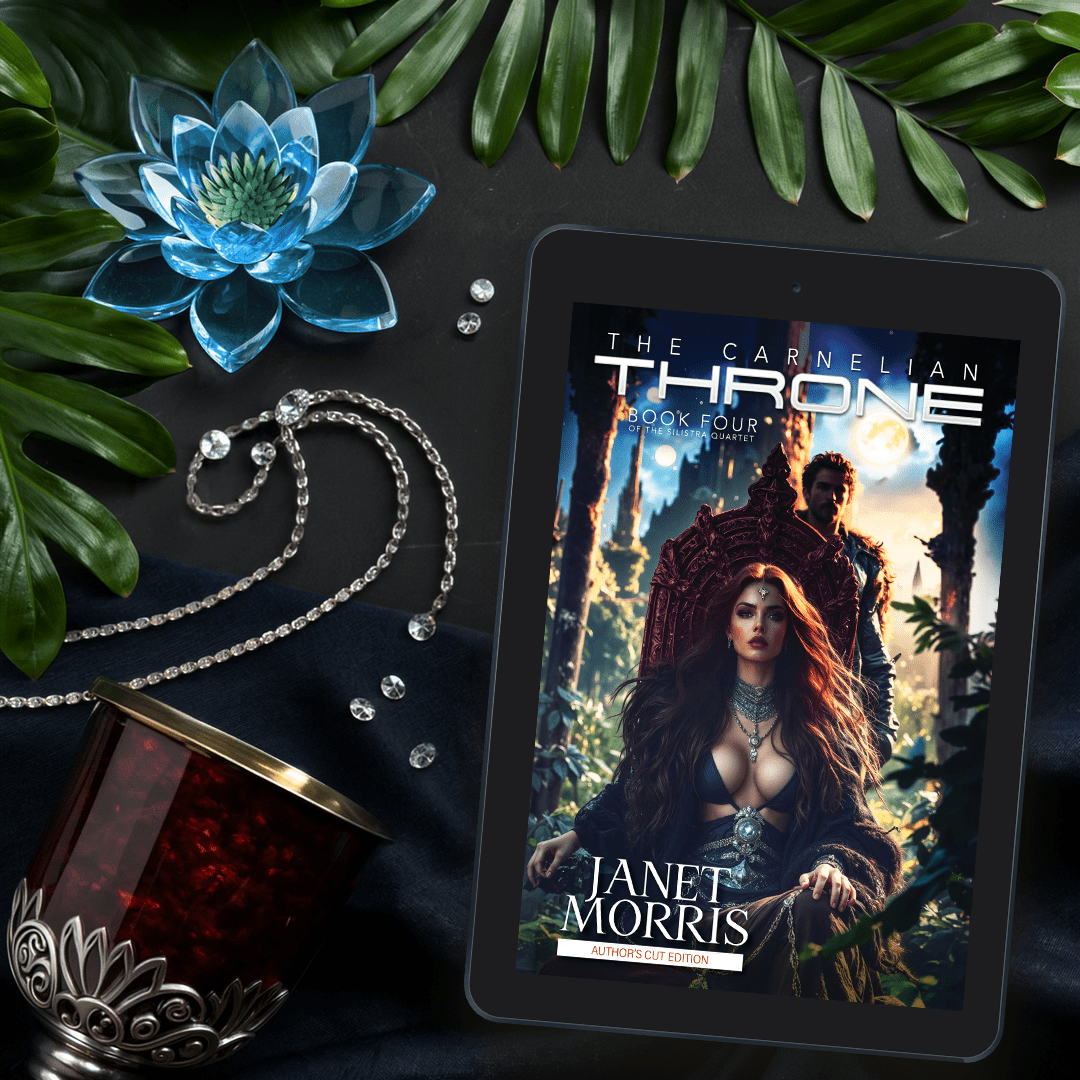
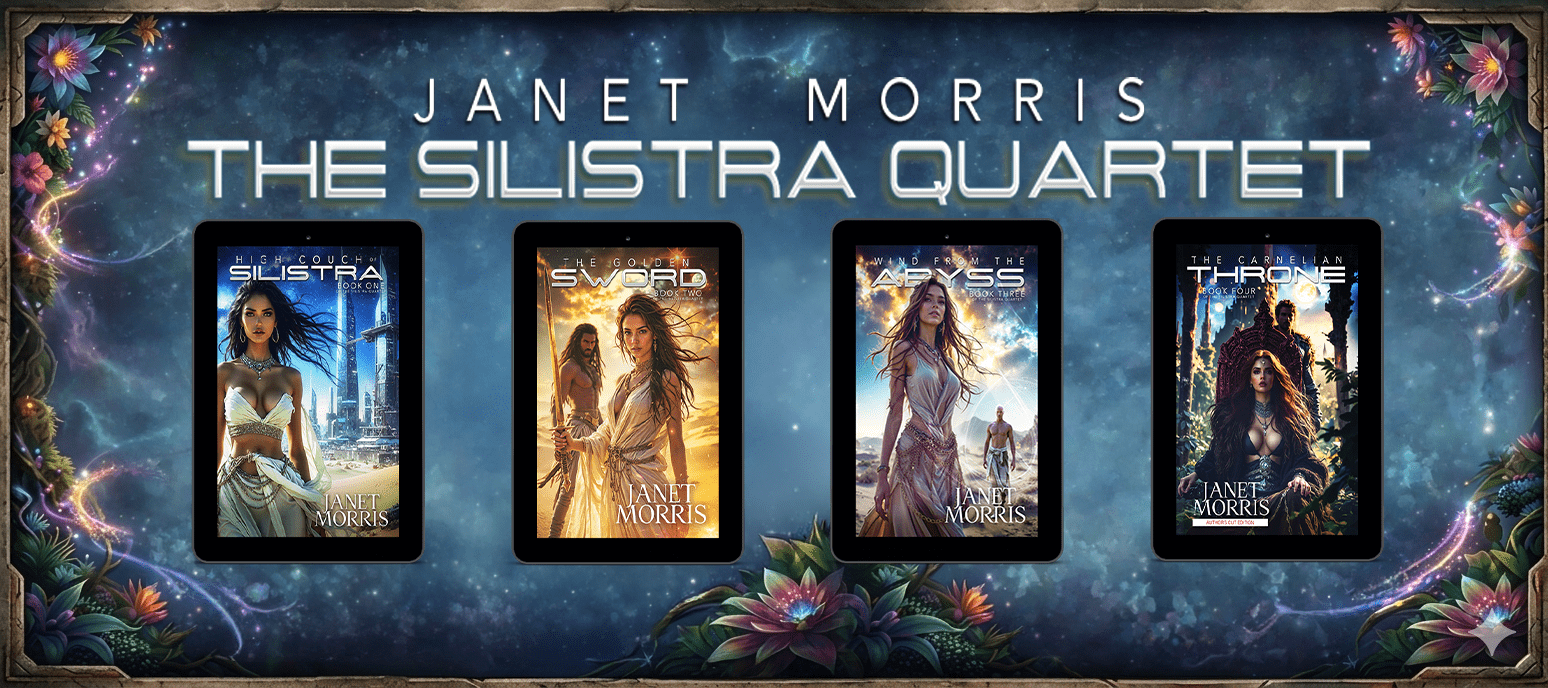
*Don’t miss the previous books in the series!**

Find them on Amazon


Best selling author Janet Morris began writing in 1976 and published more than 30 novels, many co-authored with her husband Chris Morris or others. She contributed short fiction to the shared universe fantasy series Thieves World, in which she created the Sacred Band of Stepsons, a mythical unit of ancient fighters modeled on the Sacred Band of Thebes. She created, orchestrated, and edited the Bangsian fantasy series Heroes in Hell, writing stories for the series as well as co-writing the related novel, The Little Helliad, with Chris Morris. She wrote the bestselling Silistra Quartet in the 1970s, including High Couch of Silistra, The Golden Sword, Wind from the Abyss, and The Carnelian Throne. This quartet had more than four million copies in Bantam print alone, and was translated into German, French, Italian, Russian and other languages. In the 1980s, Baen Books released a second edition of this landmark series. The third edition is the Author's Cut edition, newly revised by the author for Perseid Press. Most of her fiction work has been in the fantasy and science fiction genres, although she has also written historical and other novels. Morris has written, contributed to, or edited several book-length works of non-fiction, as well as papers and articles on nonlethal weapons, developmental military technology and other defense and national security topics.

Janet said: 'People often ask what book to read first. I recommend "I, the Sun" if you like ancient history; "The Sacred Band," a novel, if you like heroic fantasy; "Lawyers in Hell" if you like historical fantasy set in hell; "Outpassage" if you like hard science fiction; "High Couch of Silistra" if you like far-future dystopian or philosophical novels. I am most enthusiastic about the definitive Perseid Press Author's Cut editions, which I revised and expanded.'


Website * Facebook * Twitter * Instagram * Bookbub * Amazon * Goodreads


Follow the tour HERE for special content and a giveaway!


Enter the Wind From the Abyss Giveaway Here


Thanks so much for reading today's post. Hope you enjoyed it!

Follow me on Bookbub: https://www.bookbub.com/authors/tina-donahue

Please feel free to share the post via FB, Bluesky, Linked In, and more...share buttons at the bottom of this post :)

Subscribe

Monday, March 9, 2026

Ashlight Dominion - Fear of Breath - Post-Apocalyptic Science Fiction - Dystopian #SciFi #Post-Apocalyptic #Dystopian

J. Trevino Kelley is here to tell us about Ashlight Dominion, Fear of Breath, post-apocalyptic science fiction - dystopian.

Read on for details...

________________________


Post-Apocalyptic Science Fiction, Dystopian

Date Published: February 3, 2026


In a world where poisoned air has stolen breath itself, survival is no longer a solitary act, it is a covenant. From the ashes of collapse rises New Umoja, a fragile but unbroken community bound together by the Mesh, a living network of memory and thought. At its heart is a struggle: who gets to breathe, who belongs, and how hope endures when systems are built to suffocate. Ashlight Dominion follows those who refuse to vanish, weaving stories of resilience, betrayal, and rebirth into a tapestry of survival. This debut novel by J. Trevino Kelley is both mythic and immediate, exploring how history, power, and identity shape the fight to endure and remain true. With prose that burns and breathes, it asks: What does it mean to rise from ash, not untouched, but unbroken?


About the Author


 J. Trevino Kelley is a writer and strategist with a lifelong interest in systems, power, and human behavior. A husband and father of four, raised by a single mother as one of seven children, he draws from lived experience, leadership work, and a deep curiosity about how societies respond to disruption. His speculative fiction explores survival, identity, and the consequences of rebuilding the world after collapse. Ashlight Dominion is his debut novel.


Contact Link

BookBuzz


Purchase Link

Amazon


RABT Book Tours & PR


Thanks so much for reading today's post. Hope you enjoyed it!

Follow me on Bookbub: https://www.bookbub.com/authors/tina-donahue

Please feel free to share the post via FB, Bluesky, Linked In, and more...share buttons at the bottom of this post :)

Subscribe

Saturday, February 21, 2026

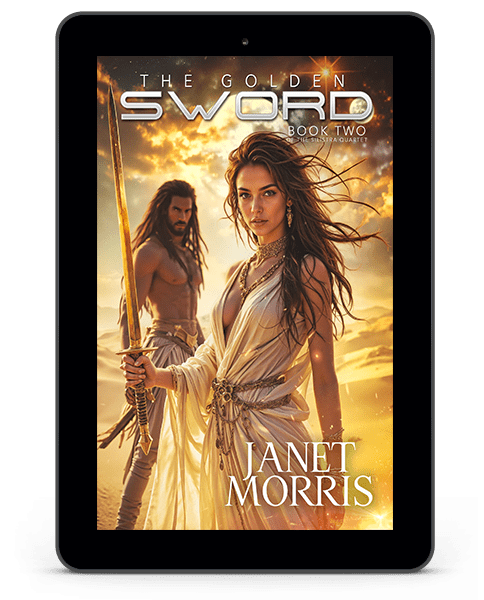
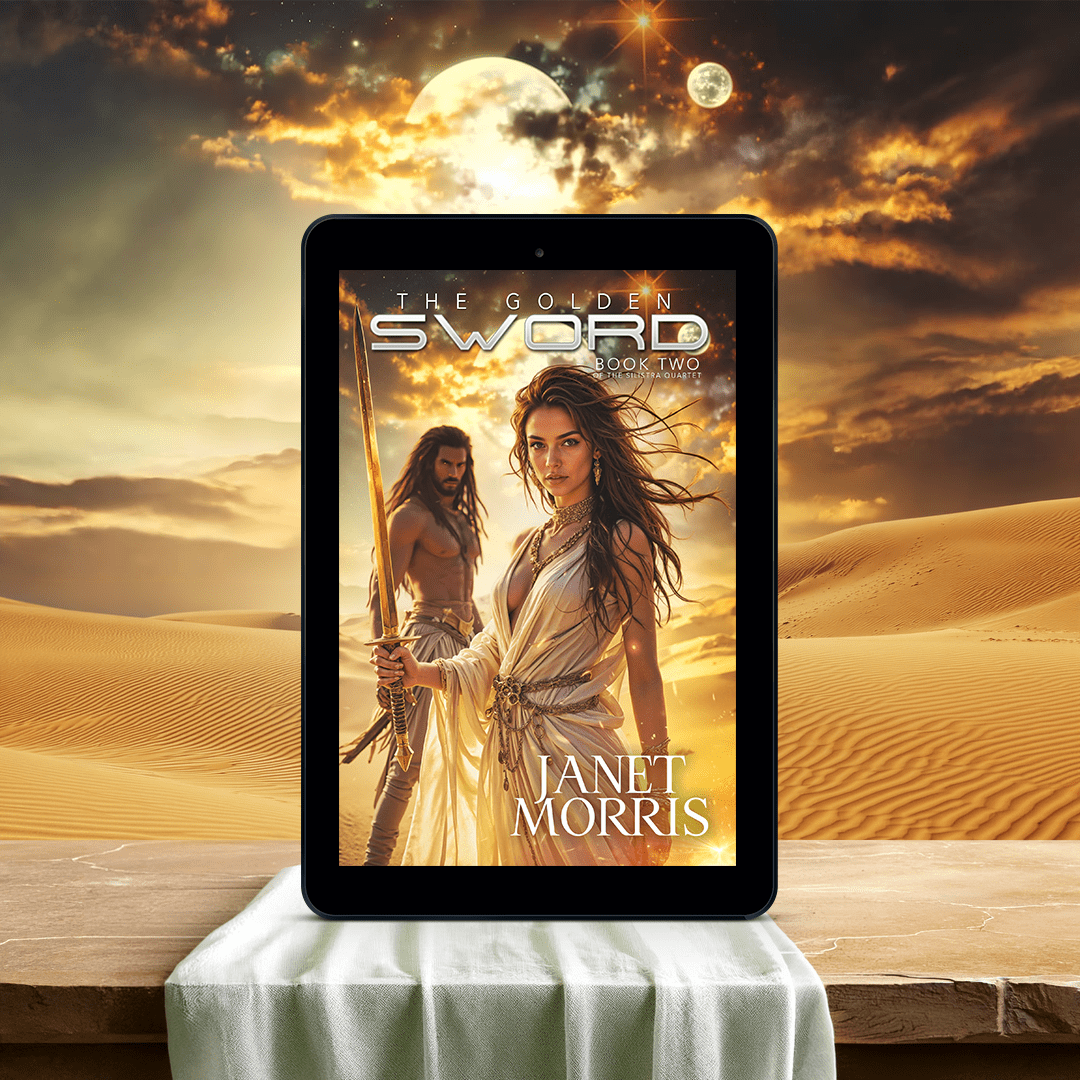
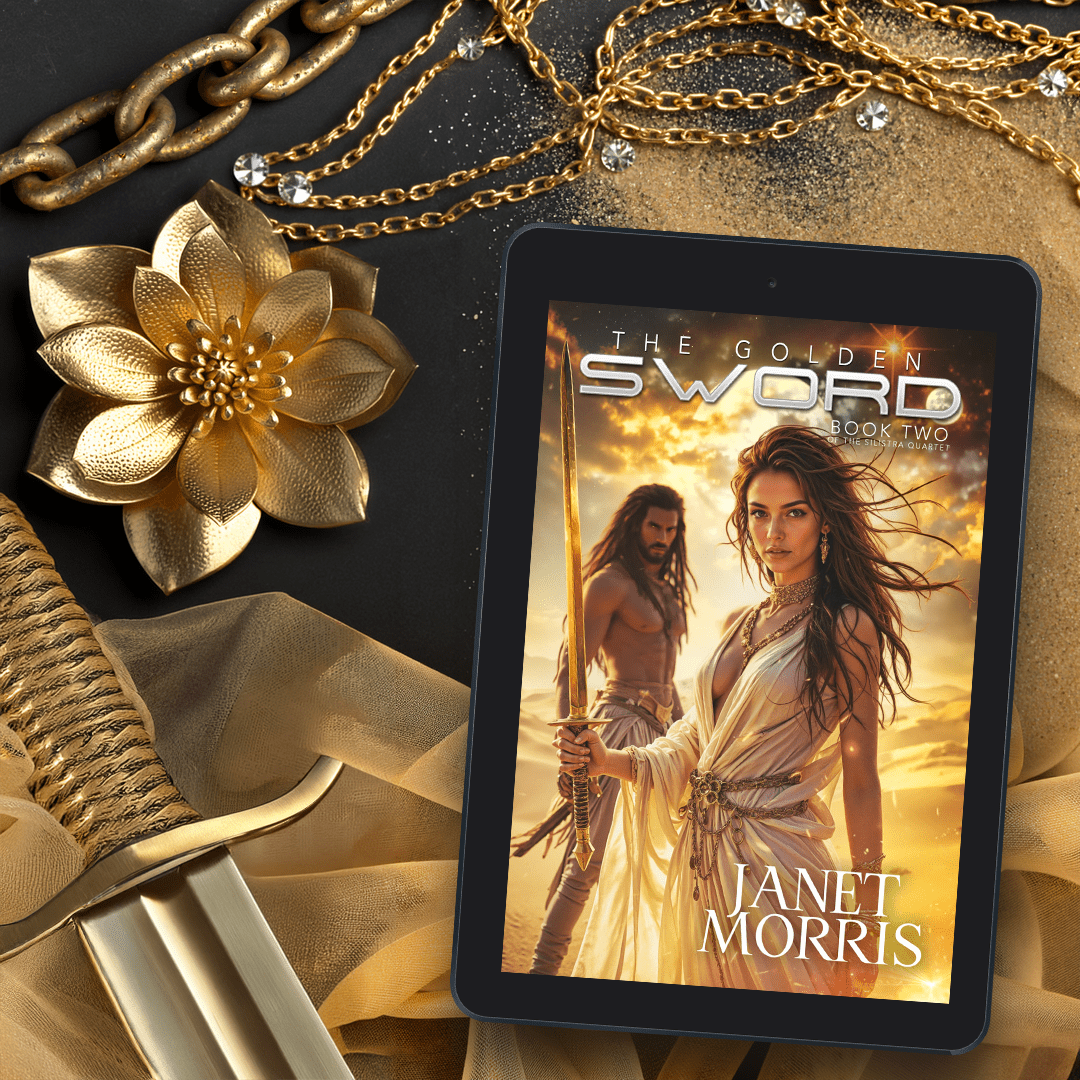
The Golden Sword - The Silistra Quartet Book 2 - Dystopian Epic SciFi Fantasy Romance - and a Giveaway #Romance #Dystopian #EpicSciFi #Fantasy #Giveaway

Janet Morris is here to tell us about The Golden Sword, The Silistra Quartet Book 2, dystopian epic SciFi fantasy romance.

There's also a great giveaway.

______________________


Estri battles to regain her identity after being denied her memories by her captor.

Will love find a way?


The Golden Sword

The Silistra Quartet Book 2

by Janet Morris

Genre: Dystopian Epic SciFi Fantasy Romance


Dystopia. Biology shapes reality. The further adventures of the most beautiful courtesan in the galaxies of tomorrow.

She had the power to create planets. The sixty carved bones of the Yris-tera foretold her ancient fate. Her heritage of power took her beyond time and space and stole from her the one man she loved.

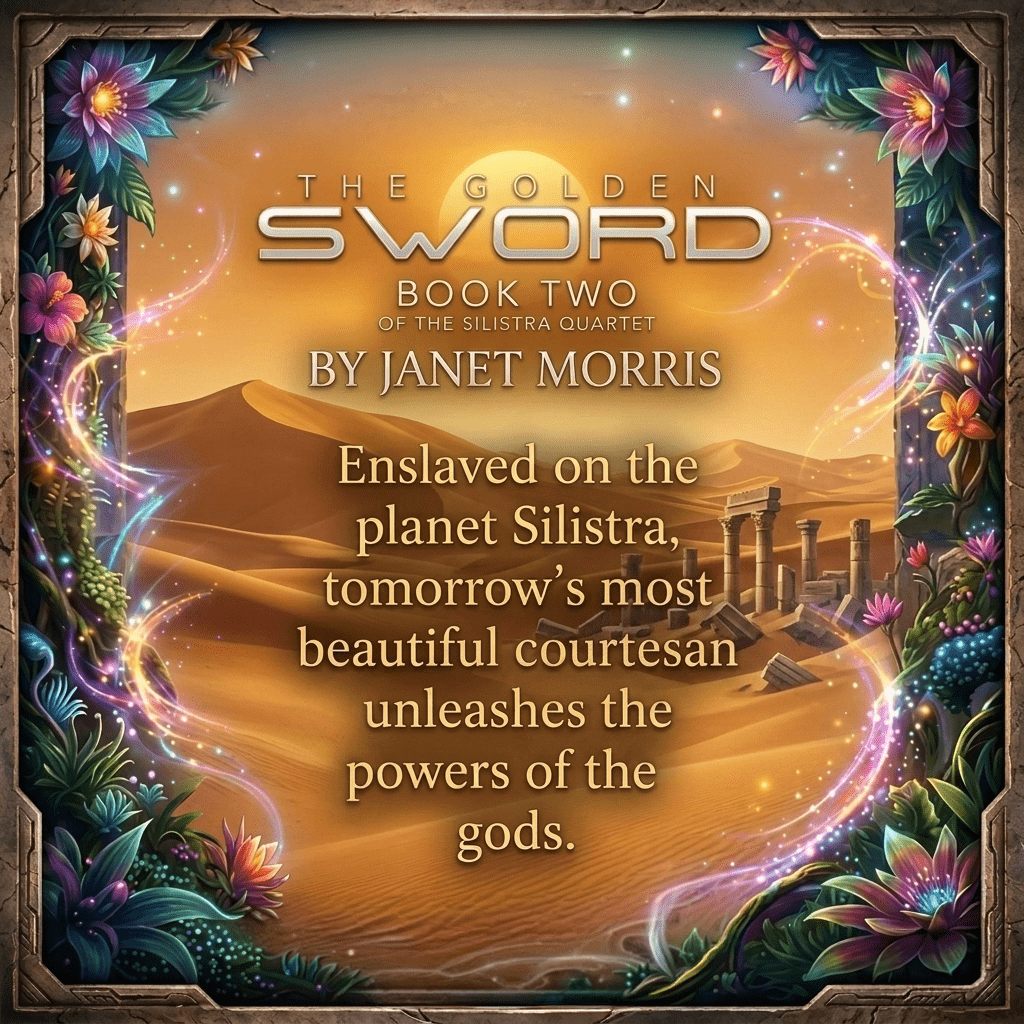
Enslaved on the planet Silistra tomorrow's most beautiful courtesan unleashes the powers of the gods.


What readers are saying:


Pure excellence…. A heroic quest of the highest calibre.” - Goodreads


“This is a book which makes one’s blood sing and one’s mind ponder. I loved the first in the series and enjoyed this as much, perhaps more. The ending leaves the reader desperate to know what happens to Estri next – courtesan, slave, warrior, lover, rebel. What is next for our heroine?” – Goodreads


“Call it what you like: science fiction, space opera, sword and planet or erotic fantasy . . . The Golden Sword is all these things, and so much more. A highly intelligent and sensual novel filled with ideas and revelations, this is a gripping story that explores human sexuality and the role it plays in politics. Although the memorable characters are bisexual, toss away all your preconceived notions, for there is a humanity, a strength of will and determination, a realism and depth of emotion to these characters that will have you thinking twice about all you know and all you think you know. This is a book for mature and discerning readers who like some meat on the bones of the books they read. Janet Morris led the way for all the science fiction authors, both male and female, who came after. “ – Joe Bonadonna, Goodreads


Amazon * B&N * Bookbub * Goodreads


I wondered what it meant, to be a “ten,” as the crellkeep chose a spot apparently like any other upon one chain and fastened me to it by means of heavy metal anklets that were spaced along its length.

“I put you next to Aje. You will sleep through the nights,” he informed me, as if I should be grateful for some thoughtful service. Seeing me safely bound, the two jiasks turned and left the chamber.

“What is your name?” the crellkeep asked.

I almost told him, but caught myself. It took me a moment to remember the crell name Chayin had given me.

“Miheja,” I said finally.

“Meh-he-ya,” the crellkeep corrected me gently. “The Eastmost Star’s Daughter. Suits you. So you have the dharener entranced, do you? A ten, indeed. Crell life is no burden to one so highly numbered.” He stood up, rubbing his back, “I go to get Aje. You will like him. They all do,” he said and patted my naked shoulder. Moments later I was alone in the deserted ever-dusk of the crellpits. A single torch burned at the chamber’s entry, throwing life into the feature- less rock walls.

I crawled the length of my tether, and by lying stretched out could just get my fingers upon the central ring. I tested its strength, as had countless crells before me. There was no weakness in it. I had expected none. I then examined each link of my chains with my fingers, to see if perhaps somewhere there was one unsoldered among them. There was no error among the 387 links that bound me firmly to the central ring. Its twin was sunk where the cold stone floor met the wall behind me. Perhaps there was a weakness in that area, but I had not enough tether to explore it. I lay down upon my left side and curled my knees against my chest. I could not think. I merely lay there.


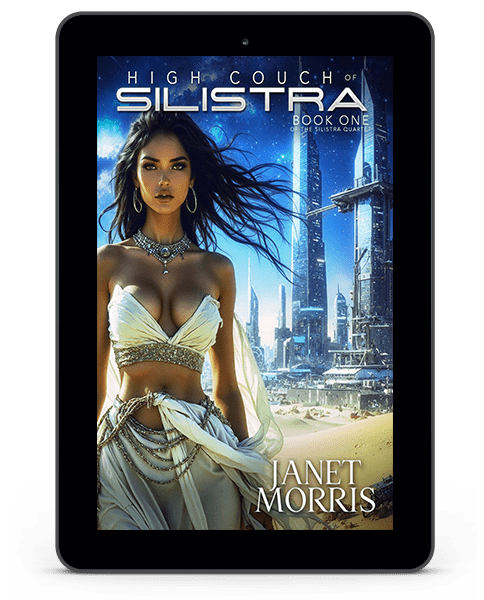
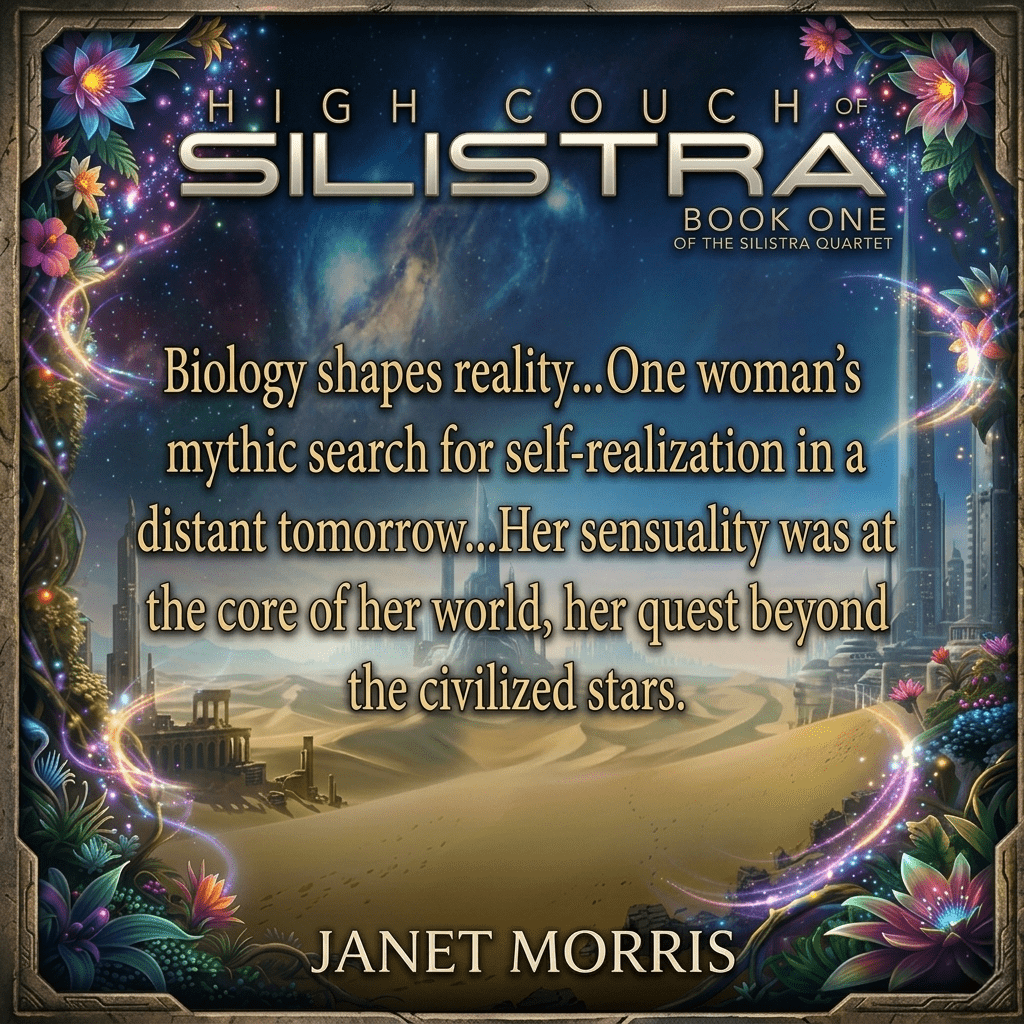
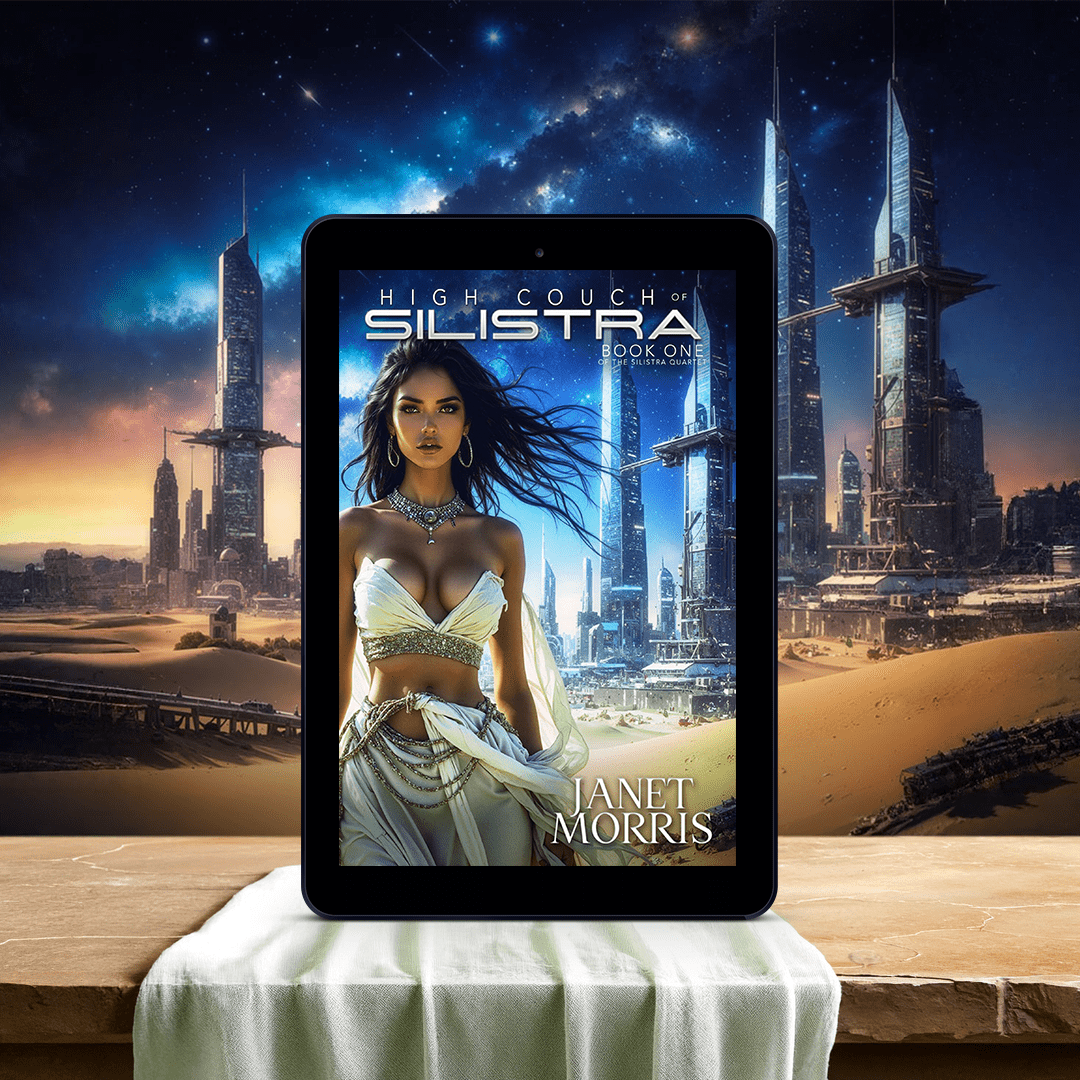
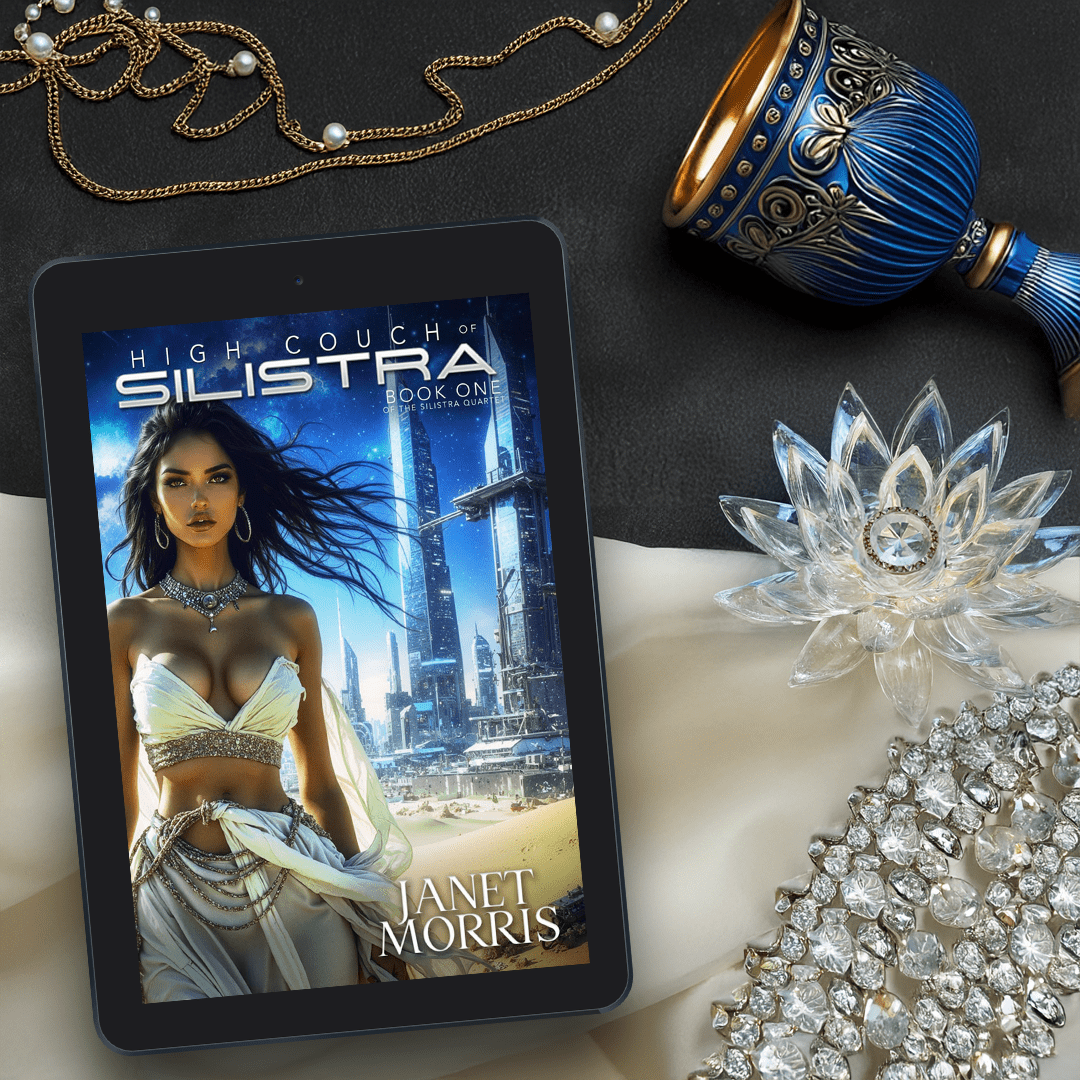
High Couch of Silistra

The Silistra Quartet Book 1


Biology shapes reality...

One woman's mythic search for self-realization in a distant tomorrow...

Her sensuality was at the core of her world, her quest beyond the civilized stars.

Aristocrat. Outcast. Picara. Slave. Ruler.


"Engrossing characters in a marvelous adventure." - Charles N. Brown, Locus Magazine


"The amazing and erotic adventures of the most beautiful courtesan in tomorrow's universe" - Frederik Pohl


"The best single example of prostitution used in fantasy is Janet Morris' Silistra series... Estri's character is most like that of Ishtar who describes herself as "'a prostitute compassionate am I'" because she "symbolizes the creative submission to the demands of instinct, to the chaos of nature ...the free woman, as opposed to the domesticated woman". Linking Estri with these lunar and water symbols is not difficult because of the moon's eternal virginity (the strength of integrity) links with her changeability (the prostitute's switching of lovers). [...]

Morris strengthens the moon imagery by having Estri as a well-keepress because wells, fountains, and the moon as the orb which controls water have long been associated with fertility, [...] In a sense, she is like the moon because she is apparently eternal, never waxing or waning except in her pursuit of the quest; she is the prototypical wanderer like the moon and Ishtar. She is the eternal night symbol of the moon in opposition to the Day-Keepers [...]

 At her majority (her three hundredth birthday), she is given a silver-cubed hologram letter from her mother, containing a videotape of her conception by the savage bronzed barbarian god from another world. [...] If Estri's mother then acts as a bawd, willing her lineage as Well-Keepress to her daughter, then Estri's great-grandmother Astria as foundress of the Well becomes a further mother-bawd figure when she offers her prophetic advice in her letter: "Guard Astria for you may lose it, and more. Beware of one who is not as he seems. Stray not in the port city of Baniev ...look well about you, for your father's daughter's brother seeks you". Having no brother that she knows of does not stay Estri from undertaking the heroic quest of finding her father."

 - Anne K. Kaler, The Picara: From Hera to Fantasy Heroine


Amazon * B&N * Bookbub * Goodreads


I am Estri Hadrath diet Estrazi, former Well-Keepress of Astria on the planet Silistra. I have begun three times to tell this story, and three times I have been interrupted. This, then, the fourth attempt, will surely prove successful.

Perhaps you have heard of Silistra, the planet that was catalyst to the sexual revolution in the year twenty-two thousand, seven hundred and four Bipedal Federate Standard Time, or of the Silistran serums that lengthen life and restore vitality in virtually any bipedal life form, or perhaps you have at some time contracted the services of a Silistran telepath, or a precognitive, or a deep reader. It is possible that you have in your own home the scintillating, indestructible web-cloth woven by our domestic arachnids, or have seen holograms of our golachits, those intelligent builder-beetles who exude from their mouths a translucent, superhard substance called gol and create from this gol, under the guidance of the chit-guards, the formidable and resplendent structures in which we live and work.

And perhaps you have seen no web-cloth, no gol, never been ill, and are not interested in sex. If so, you may never have heard of Silistra.

I carry Silistra in my mind’s eye, here under this alien sun. In my mind alone can I look out the east window of my beloved exercise hall in Well Astria and see the sun’s rising burst upon the jewel-like towers and keeps of the Inner Well and a thousand rainbows arc and dance in the greening sky.


Best selling author Janet Morris began writing in 1976 and published more than 30 novels, many co-authored with her husband Chris Morris or others. She contributed short fiction to the shared universe fantasy series Thieves World, in which she created the Sacred Band of Stepsons, a mythical unit of ancient fighters modeled on the Sacred Band of Thebes. She created, orchestrated, and edited the Bangsian fantasy series Heroes in Hell, writing stories for the series as well as co-writing the related novel, The Little Helliad, with Chris Morris. She wrote the bestselling Silistra Quartet in the 1970s, including High Couch of Silistra, The Golden Sword, Wind from the Abyss, and The Carnelian Throne. This quartet had more than four million copies in Bantam print alone, and was translated into German, French, Italian, Russian and other languages. In the 1980s, Baen Books released a second edition of this landmark series. The third edition is the Author's Cut edition, newly revised by the author for Perseid Press. Most of her fiction work has been in the fantasy and science fiction genres, although she has also written historical and other novels. Morris has written, contributed to, or edited several book-length works of non-fiction, as well as papers and articles on nonlethal weapons, developmental military technology and other defense and national security topics.

Janet said: 'People often ask what book to read first. I recommend "I, the Sun" if you like ancient history; "The Sacred Band," a novel, if you like heroic fantasy; "Lawyers in Hell" if you like historical fantasy set in hell; "Outpassage" if you like hard science fiction; "High Couch of Silistra" if you like far-future dystopian or philosophical novels. I am most enthusiastic about the definitive Perseid Press Author's Cut editions, which I revised and expanded.'


Website * Facebook * Twitter * Instagram * Bookbub * Amazon * Goodreads


Follow the tour HERE for special content and a giveaway!


Enter The Golden Sword Giveaway Here



Thanks so much for reading today's post. Hope you enjoyed it!

Follow me on Bookbub: https://www.bookbub.com/authors/tina-donahue

Please feel free to share the post via FB, Bluesky, Linked In, and more...share buttons at the bottom of this post :)

Subscribe